
.jpg)
Turkish Baths | Unveil the Tranquil World of Hamams
Why are Turkish Baths Famous?

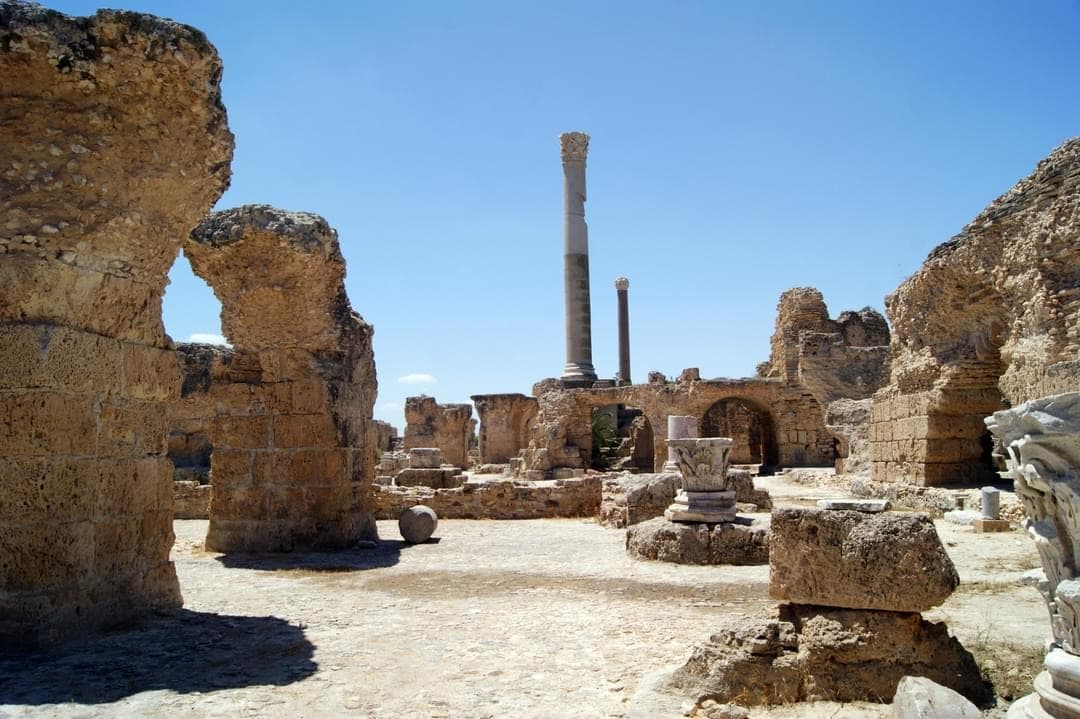
For centuries, Turkish baths have been an essential part of Turkish culture, famed for their unique combination of steam, heat, and water that provides a rejuvenating experience. Originating from the Romans' communal baths, this practice was adopted and perfected by the Ottomans. Turkish baths, or Hamams, inherited the model of the Roman Thermae, integrating them into the social and cultural fabric of Turkish life. This rich history, dating back to ancient Rome and Byzantium, is a primary reason for their fame. Notably, Hammams in Istanbul, such as the Çemberlitaş Hamami, are renowned for their stunning architecture and historical significance.
Turkish baths have long been gathering places, vital to Turkish social culture, and they continue to play an integral role today. Beyond their anthropological significance, Turkish baths offer numerous health benefits. A traditional Turkish bath experience can improve circulation and skin health, while the steam and heat help relax muscles and relieve stress. Scattered throughout Istanbul, Turkish bathhouses range from luxurious spas to traditional and authentic experiences, ensuring you will find a Hammam that suits your needs.
History of Turkish Baths

For centuries, Turkish baths have been an essential part of Turkish culture, famed for their unique combination of steam, heat, and water that provides a rejuvenating experience. Originating from the Romans' communal baths, this practice was adopted and perfected by the Ottomans. Turkish baths, or Hamams, inherited the model of the Roman Thermae, integrating them into the social and cultural fabric of Turkish life. This rich history, dating back to ancient Rome and Byzantium, is a primary reason for their fame. Notably, Hammams in Istanbul, such as the Çemberlitaş Hamami, are renowned for their stunning architecture and historical significance.
Turkish baths have long been gathering places, vital to Turkish social culture, and they continue to play an integral role today. Beyond their anthropological significance, Turkish baths offer numerous health benefits. A traditional Turkish bath experience can improve circulation and skin health, while the steam and heat help relax muscles and relieve stress.
Scattered throughout Istanbul, Turkish bathhouses range from luxurious spas to traditional and authentic experiences, ensuring you will find a Hammam that suits your needs.
Architecture & Design of Turkish Baths

Turkish Baths, or Hammams, are traditionally designed with a central domed chamber surrounded by smaller side chambers. The main room, usually octagonal, features arches constructed from brick or stone and is heated by a furnace located beneath it. These side chambers are designated for various treatments, including washing and massage. The main enclosure walls are adorned with Islamic motifs and illuminated by natural light from a skylight in the dome.
Hammams are equipped with running water for cleaning and bathing, heated by the furnace and distributed through pipes and channels. Typically, there are two pools: one with hot water for soaking and one with cold water for cooling down. The baths' walls and floors are often made of marble, maintaining a humid and warm atmosphere through steam from the hot water.
Plan your visit to the Turkish Baths

Opening Hours: The operating hours of Turkish baths in Istanbul differ based on the specific bathhouse. Hurrem Sultan Hammam is open daily from 8:00 AM to 10:00 PM. Cemberlitas Hamami welcomes visitors every day from 6:00 AM to midnight. Cağaloğlu Hamam operates from 9:00 AM to 10:00 PM, extending its hours until 11:00 PM on Fridays through Sundays.
Best Time to Visit: The best time to visit Turkish baths is during the off-peak hours, typically in the late morning or early afternoon on weekdays. This timing allows for a more relaxing and less crowded experience. Visiting in the cooler months, like fall and winter, enhances the enjoyment of the warm, steamy environment. Avoiding weekends and holidays can also help ensure a more peaceful visit. Turkish baths provide a unique cultural experience and are enjoyable year-round, but these tips can help maximize comfort and tranquility.
.jpg?w=340&dpr=2)
Clothing: Wear a swimsuit or similar attire under your robe for comfort and convenience during the bath experience.
Arrival: Arrive early to familiarize yourself with the facilities and relax before your treatment begins.
Etiquette: Respect the rules and etiquette of the hammam, such as maintaining modesty and refraining from taking photos.
Towels and Personal Items: Bring your own towel and toiletries if preferred, though many hammams provide them.
Hydration: Stay hydrated before and after your bath to help your body adjust to the heat and steam.
Relaxation: Take your time to enjoy each stage of the hammam experience, from the steam room to the massage and relaxation areas.
Post-bath Care: After your bath, relax and allow your body to cool down gradually before heading out.
FAQs
What is the history behind Turkish baths in Istanbul?
Turkish baths, or hammams, in Istanbul have roots in Roman and Byzantine bathing traditions. They flourished under Ottoman rule, serving social, cultural, and religious functions. Hammams like Çemberlitaş and Cağaloğlu date back centuries, reflecting intricate architectural styles and rituals that remain integral to Turkish culture and heritage.
What is the traditional Turkish bath experience like?
The traditional Turkish bath involves progressing through steam rooms of varying temperatures, followed by a thorough body scrub using a special exfoliating glove called a kese, and concluding with a soothing massage. This ritual aims to purify the body while inducing relaxation through its cleansing and therapeutic elements.
What are the health benefits associated with Turkish baths?
Turkish baths, or hammams, offer several health benefits, including improved circulation, detoxification through sweating, and skin exfoliation. The steam and heat help relax muscles and alleviate stress. Additionally, the ritual promotes overall well-being by enhancing respiratory function and rejuvenating the skin.
What is the proper etiquette for visiting Turkish baths?
Proper etiquette for visiting Turkish baths includes wearing a swimsuit or provided loincloth, respecting others' privacy by refraining from using cameras or phones, showering before entering pools, and keeping conversations quiet to maintain a tranquil atmosphere. It's customary to tip attendants for their services and adhere to any specific rules of the bathhouse.
How long does a typical Turkish bath session last?
A typical Turkish bath session usually lasts between 30 minutes to 1 hour. The duration can vary based on personal preference and the specific treatments chosen, such as steam rooms, body scrubbing, and massages. It's advisable to allow enough time to fully relax and enjoy the experience without feeling rushed.